
DEAL FLOW LAB
New here?
If you’d like context, begin with
Why Trust-First Monetization Exists
Note #5:
— Why Recognizing Anti-Patterns Matters
A look at patterns that are common, appealing, and structurally costly.
An anti-pattern is a common response to a problem that is initially appealing, but ultimately ineffective and counterproductive.
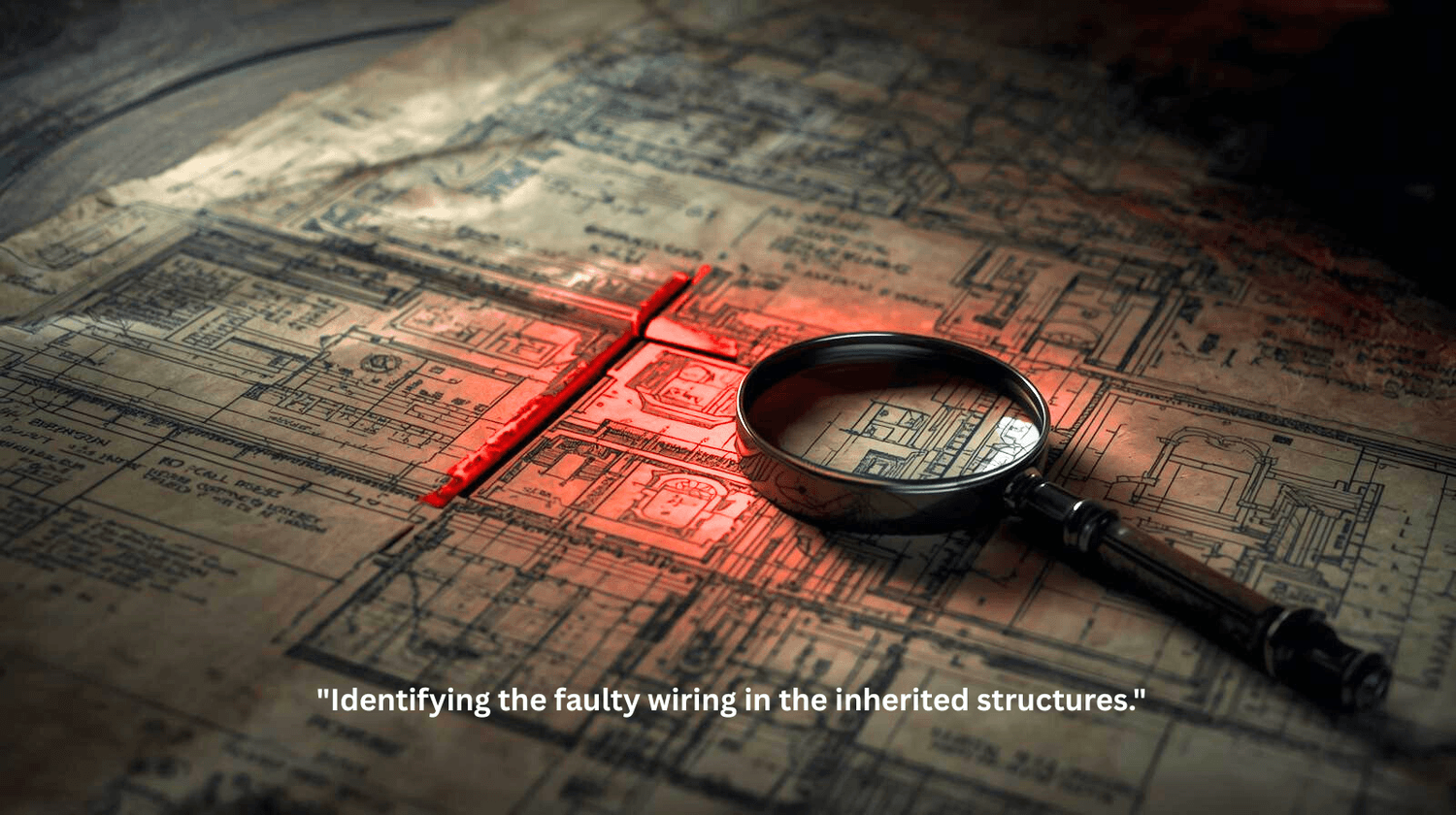
In business and marketing, we have inherited a set of these anti-patterns.
They are not moral failures; they are structural relics.
They persist not because people are dishonest, but because the environment rewarded them.
Anti-Patterns in Trust First Systems
A Trust-First system is defined not only by what it includes, but also by what it deliberately excludes.
If a pattern creates pressure, hidden dependency, or misplaced responsibility, it cannot live inside a trust-first architecture.
Not because it is evil.
Because it would break the logic.
This means that understanding anti-patterns is not optional if you want to operate a Trust First system.
Why Anti-Pattern Blog Posts
When an anti-pattern appears on this blog, it might include:
What the pattern looks like
Why it can feel effective at first
What costs tend to appear over time
What a Trust-First alternative looks like
The goal is not to make anyone wrong.
The goal is to make the structure visible.
Most people do not fail because they lack good ideas.
They fail because they cannot see what is already broken.
Trust-First Monetization explores how trust can emerge from visible structure rather than persuasive influence.
As the structure becomes clear, anti-patterns become easier to recognize.
They are not removed because they are unpopular.
They are removed because they conflict with the conditions required for structural trust.
The goal is not condemnation. It is clarity.
Read these posts to recognize what you have inherited — and to see what becomes possible when you remove it.
What Comes Next
Before we look at specific anti-patterns, there is something more useful to understand first.
The operator.
Because recognizing what is broken is only half of it.
Knowing what to do instead — and what the person running the system actually does — is the other half.
The next note introduces the operator layer:
STAY ALIGNED
Get structured access to the Trust First System before public release.
Subscribers receive:
• Early access to the full framework
• Notification when new blog notes are published
• One structured reflection email per week
No promotional sequences.
Only thoughtful communication.
info@dealflowlab.com
Created with ©systeme.io